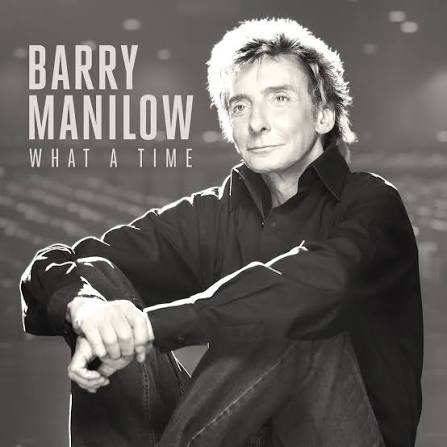
For nearly fifteen years, Barry Manilow fans have waited for a new collection of primarily original material. During that time, Manilow continued touring, recording standards, revisiting his vast catalog, and proving that his connection with audiences remained as strong as ever. Yet there was always the lingering question: would one of pop music’s most recognizable songwriters ever deliver another major statement album?
With What A Time, the answer arrives with grace, reflection, and a surprising amount of creative energy. Released on June 5, 2026, the album marks Manilow’s first largely original studio project since 15 Minutes in 2011 and finds the legendary performer looking backward, forward, and inward all at once.
Produced by Manilow and longtime collaborator Michael Lloyd, the project also features contributions from Kenneth “Babyface” Edmonds, Dave Cobb, Gary Barlow, John Bettis, and other notable collaborators.
At this stage in his career, Manilow has nothing left to prove. More than eighty million records sold, dozens of hit singles, and a songbook woven into the fabric of American popular music have already secured his place in history. What makes What A Time compelling is that it does not feel like a victory lap. Instead, it feels like a conversation between an artist and the passing years.
The album opens with “Once Before I Go,” a song that immediately establishes the emotional landscape of the record. Given Manilow’s recent health struggles and reflections on mortality, the song carries additional weight. Every line feels lived-in. Rather than fighting age, Manilow embraces it, allowing the song’s themes of reflection and gratitude to resonate naturally.
The title track, “What A Time,” serves as the album’s emotional centerpiece. Co-written with lyricist John Bettis, it is built upon nostalgia, memory, and appreciation for life’s journey. The arrangement remains classic Manilow—sweeping piano, lush orchestration, and a melody that unfolds with theatrical elegance. Yet it never becomes sentimental excess. Instead, it feels honest. The song recognizes regrets and hardships while choosing gratitude over sorrow. It is the kind of composition only a veteran songwriter could create convincingly.
The first single, “Sun Shine,” provides one of the album’s brightest moments. Co-written with Gary Barlow, the song radiates optimism and warmth. The melody is instantly memorable, and its uplifting spirit recalls the feel-good qualities that helped make Manilow a household name decades ago. In an era when many pop recordings chase trends, “Sun Shine” succeeds because it refuses to do so.
“Another Life” shifts the mood toward introspection. Here Manilow explores the universal question of roads not taken. The arrangement remains understated, allowing the lyric to take center stage. While younger artists often approach such themes with bitterness or regret, Manilow presents them with maturity. There is curiosity here, not resentment.
“Touched By An Angel” and “The Chosen One” continue the album’s spiritual thread. Faith and hope have long appeared throughout Manilow’s catalog, but these songs approach those subjects with a sense of hard-earned wisdom. The orchestral arrangements elevate both tracks without overwhelming them, creating moments that feel almost cinematic.
One of the album’s greatest strengths is its variety. While the foundation remains unmistakably Barry Manilow, the production occasionally ventures beyond familiar territory. Elements of R&B, contemporary adult pop, heartland rock, and gospel appear throughout the album, creating a broader sonic palette than many listeners might expect.
“One More Chance” is among the strongest examples of this balance between classic and contemporary. Built around a soaring chorus, the song combines timeless melodic sensibilities with polished modern production.
“Nobody Knows My Song” may be the album’s most autobiographical moment. After decades in the spotlight, Manilow reflects upon the distance between public image and private reality. The title itself suggests an artist contemplating how much of his true self remains hidden beneath fame. It is a moving performance that reveals surprising vulnerability.
“When Somebody Says Goodbye,” featuring Sharon “Muffy” Hendrix, delivers one of the record’s most affecting collaborations. Their voices blend beautifully, creating a sense of intimacy that suits the song’s themes of loss and remembrance.
“Don’t Trouble The Water” brings a welcome change of pace. The song’s gospel influences inject energy and momentum into the album’s latter half. It serves as a reminder that Manilow’s musical roots have always extended beyond straightforward pop.
The inclusion of saxophonist Dave Koz on “Look At Me Now” adds another dimension to the record. Koz’s tasteful performance enhances the track’s reflective atmosphere, while Manilow delivers one of his strongest vocal performances on the album.
“Nobody Told Me” introduces a touch of humor and self-awareness. Aging is often treated as either tragedy or comedy in popular music. Manilow wisely chooses a middle path, acknowledging life’s surprises with a knowing smile. The result is charming rather than melancholy.
The album concludes with “Coming of Age,” a title that cleverly reframes the traditional meaning of the phrase. Rather than focusing on youth, the song suggests that true maturity is achieved through a lifetime of experiences.
One of the most remarkable aspects of What A Time is its refusal to chase contemporary trends. In a music industry often obsessed with youth and novelty, Manilow remains committed to melody, storytelling, and emotional sincerity. That commitment may strike some listeners as old-fashioned. Yet it is precisely what gives the album its strength.
The record recalls an era when songs were built around memorable choruses, thoughtful arrangements, and genuine vocal performances. There are sweeping strings, dramatic key changes, heartfelt ballads, and moments of unabashed sentimentality.
For listeners who grew up with Manilow, these qualities will feel reassuring. For younger listeners, they may feel refreshingly different. Critics have noted that the album doubles down on the melodic, orchestral style that has defined Manilow’s career for five decades.
Vocally, Manilow sounds exactly as one might expect from an artist in his eighties. The voice is weathered and less flexible than during his commercial peak. Yet the limitations actually enhance many of the songs. The slight fragility in his delivery adds authenticity to lyrics centered on memory, mortality, and appreciation. Rather than disguising age, he allows it to become part of the storytelling.
Perhaps the album’s greatest achievement is its emotional honesty. Recent health challenges clearly influenced Manilow’s perspective, and that awareness permeates the project without ever becoming morbid. The songs acknowledge life’s impermanence while celebrating its beauty. They recognize loss without surrendering to despair. They look backward without becoming trapped in nostalgia.
In the end, What A Time succeeds because it understands exactly what it wants to be. It is not a reinvention. It is not an attempt to capture younger audiences. It is the work of an artist comfortable in his own skin, embracing the qualities that have defined his career while remaining open to new creative possibilities.
For longtime fans, the album will feel like reconnecting with an old friend. For casual listeners, it offers a reminder of why Barry Manilow became one of the most enduring figures in popular music. And for the artist himself, it stands as a graceful and heartfelt addition to a remarkable legacy.
Track Listing
Once Before I Go
What A Time
Sun Shine
Another Life
Touched By An Angel
The Chosen One
One More Chance
Nobody Knows My Song
When Somebody Says Goodbye (Duet with Sharon “Muffy” Hendrix)
Don’t Trouble The Water
Look At Me Now (Featuring Dave Koz)
Nobody Told Me
Coming of Age