
Entertainment
The Highway Knows: Molly Tuttle’s Emo Bluegrass Revival Stops in Pittsburgh
Published
2 months agoon
By
Dave Parsons
by Dave Parsons
The Carnegie Music Hall of Homestead has seen its share of musical metamorphoses over the decades, from classical recitals in its early 1900s heyday to punk rock revivals in the ’80s. It’s not just a building, as the music hall is literally part of the oldest Carnegie library in continuous operation in its original structure in the US, and was chosen by CNN in 2014 as one of the 27 most fascinating libraries in the world to visit. You literally walk through the shallowed shelves of books to get to the pre-show room, to partake in a drink and snacks.
The Music Hall can seat just over a thousand, but its interior can amplify the human voice better than most arenas with ten times the capacity. But the triple bill on Saturday, September 13, 2025, featuring Cecilia Castleman, Town Mountain, and headliner Molly Tuttle represented something altogether different. A generational shift in American roots music that’s happening in real time, right before our ears.
The talk wasn’t just about Molly Tuttle, though her Highway Knows Tour had been on everyone’s radar since the first date was announced. It was about seeing her in this room, the one where whispers and shouts share the same ceiling. This was the legacy continuing…
First came Cecilia Castleman, still in the early chapters of her story but already carrying herself like a seasoned author. Her opening tune, Waiting on You, settled across the room like early morning mist, and being the first person to enjoy it. Lonely Nights and Pick and Lose sketched the edges wider, her voice a notebook of motel sketches and telephone-line confessions.
Her medley of Breakdown/Hit the Road Jack was a nice diversion down another path while going back to her own ink with It’s Alright, a song that was anything but alright in the best possible way. Castleman’s voice cracked with emotion as she sang about finding peace in uncertainty, and the room fell into a reverent silence. For a 21-year-old opening act, she commanded attention like a headliner, and several audience members were already pulling out their phones to look up her tour dates.
Then came Town Mountain, Asheville’s proud bluegrass insurgents who play like they were born with banjos in their hands and a streak of outlaw in their blood. Their set opened with Revelry, a hard-hitting jam that led into Lines in the Levee, which reminded everyone why the 2022 record by the same name hit so hard.
Comeback Kid and Firebrand Road kept their setlist moving right along. The band’s eight-song set built to a crescendo with I’m on Fire, a Springsteen cover that shouldn’t have worked but absolutely did. Town Mountain transformed the Boss’s synth-pop meditation into a driving bluegrass burner. By the time they closed with American Family flowing into Farewell Boy and finally Down Low, they’d proven that traditional bluegrass could accommodate modern songwriting without losing its soul.
One highlight of the night from a technical aspect was the changeover times. Going from Castleman’s solo act into the band was all of 10 minutes, and changing bands entirely from Town Mountain, into Tuttle’s Golden Highway band was 20 minutes. As a matter of fact, when looking at the set times posted in the lobby, it was not a surprise that folks were fumbling in the dark for their seats when Tuttle emerged 15 minutes ahead of schedule.
The two-time Grammy winner has spent the past few years redefining what contemporary bluegrass can sound like, and she is in full command of her artistic vision. Opening with Everything Burns, she immediately established that this wouldn’t be a typical bluegrass show. Her guitar work was rootsy and indie rock at the same time, and her voice carried both traditional purity and modern emotion.
The title track The Highway Knows followed, and it became clear that Tuttle has found something special in her solo work. Her flatpicking is as technically accomplished as anyone working today, but it’s her songwriting that sets her apart. These songs are about mental health, imposter syndrome, and modern relationships, all filtered through acoustic instrumentation.
She covered the Rolling Stones’ She’s a Rainbow, and that led into Over the Line. Tuttle’s ability to write contemporary bluegrass that doesn’t adhere to tradition. The song dealt with setting boundaries in relationships, which is a very 2025 concern, while her picking style drew from decades of bluegrass tradition. It’s this balance that makes her such a compelling artist, as she’s not rejecting the past, but finding ways to mesh the two.
That’s Gonna Leave a Mark deals with relationship wounds that might heal, but will always leave scars. It’s the kind of insight that country music used to specialize in, now updated for an age when everyone’s in therapy. It was this same balance that ran throughout her set. Remarkable was the number of 20-somethings who moved from their center aisle seats to the sides of the room to find room to dance. Some sang every word while they improvised dance moves, and others were literally taking in the vibe.
The middle section of her set ventured into more traditional territory with Rosalee and Alice in the Bluegrass, but even these songs were filtered through Tuttle’s unique perspective. Where Did All the Wild Things Go? brought balance as she mashed up fragility in her voice with flawless guitar work.
The set’s final third included Yosemite, San Joaquin, and then the surprise. The Beatles’ classic Octopus’s Garden. Had everyone singing along softly as you could feel the music ripple along. The people on the sides were swaying with arms outstretched. As the main set wound toward its conclusion, The River Knows and Dooleys Farm were pure delights, with Golden State of Mind being perhaps the most thought-provoking song of the evening
Then came the song that changed the air in the room. Tuttle launched into Old Me New Wig, and right after the first chorus, Molly leaned into the microphone with a half-smile and reminded the crowd that the song was about resilience, reinvention, and facing the world as you are. She playfully reached up, slipped off her wig, and let the stage lights catch her bare scalp.
The gesture wasn’t dramatic, but was more an exclamation point on an evening of reflection and permission to be yourself. The audience was caught somewhat off guard, although the faithful sensed it was coming, as alopecia has been part of Molly’s story since childhood. She sang the rest of the set bald, her voice steady, and it was hard to imagine a more vulnerable moment in a concert.
She laughed afterward and called the whole thing Emo Bluegrass or fast songs about very sad subjects. The crowd chuckled, then nodded, recognizing the truth. Only Molly could put sorrow in sneakers and send it sprinting. She closed the set with Take the Journey which is exactly what the audience had done.
But, Pittsburgh wasn’t letting go just yet. They cheered until the band returned, Molly still bareheaded, coming back to take a victory lap or two. She began with More Like a River. You could see the audience collectively hanging on the words, as if it were the benediction on the evening.
In keeping with that spirit, and the fact that the crowd wanted one more, the banjo came out again, and Molly grinned widely as she drove the rhythm. The crowd stomped, clapped, hollered, and let loose, almost as if she’d granted permission to celebrate not just despite sorrow but because of it. Side Saddle deals with feeling like an outsider in your own life, and literally riding side saddle through experiences that should feel natural but somehow don’t.
As Tuttle and her band took their collective final bows, it was clear the audience had witnessed something special. What made Saturday night’s show so compelling wasn’t just the individual performances, but what they collectively represented about the current state of American roots music. All three acts—Castleman, Town Mountain, and Tuttle—are finding ways to honor traditional forms while addressing contemporary concerns. They’re not rejecting the past or chasing commercial trends, but finding organic ways to make acoustic music speak to modern experiences.
The audience reflected this evolution as well. While there were plenty of traditional bluegrass fans (flannel shirts and grey beards were well represented), the crowd also included twenty and thirty-somethings who might be equally at home at an indie rock show. When Tuttle described her music as “emo bluegrass,” she wasn’t just coining a catchy phrase—she was acknowledging a genuine cultural shift.
This show suggests that reports of bluegrass’s death have been greatly exaggerated. While the genre may not dominate country radio or sell millions of records, it’s clearly attracting artists who are finding new ways to make traditional forms relevant to contemporary audiences.
The highway does indeed know, and Saturday night in Munhall, it was leading somewhere both familiar and entirely new. In an era when so much popular music feels manufactured and focus-grouped, the authenticity on display was both refreshing and inspiring. These artists aren’t trying to be the next big thing—they’re simply being themselves, using acoustic instruments to process modern life with the same honesty that the best country and folk music has always provided.
If this is the future of American roots music, the future looks bright indeed.
Cecilia Castleman Setlist
Waiting on You
Lonely Nights
Pick and Lose
Breakdown/Hit the Road Jack
It’s Alright
Town Mountain Setlist
Revelry
Lines in the Levee
Comeback Kid
Firebrand Road
I’m on Fire
American Family
Farewell Boy
Down Low
Molly Tuttle Setlist
Everything Burns
The Highway Knows
She’s A Rainbow
Over the Line
That’s Gonna Leave a Mark
Rosalee
Alice in the Bluegrass
Where Did All The Wild Things Go?
Yosemite
San Joaquin
Octopus’s Garden
Down Home Dispensary
The River Knows
Dooleys Farm
Golden State of Mind
Old Me New Wig
Crooked Tree
Take the Journey
More Like a River (Encore)
Side Saddle (Encore)
Related

Entertainment
Salt, Sweat, and Rock & Roll: Oceans Calling Day One Delivers Beachside Bliss
Published
2 months agoon
September 30, 2025By
Dave Parsons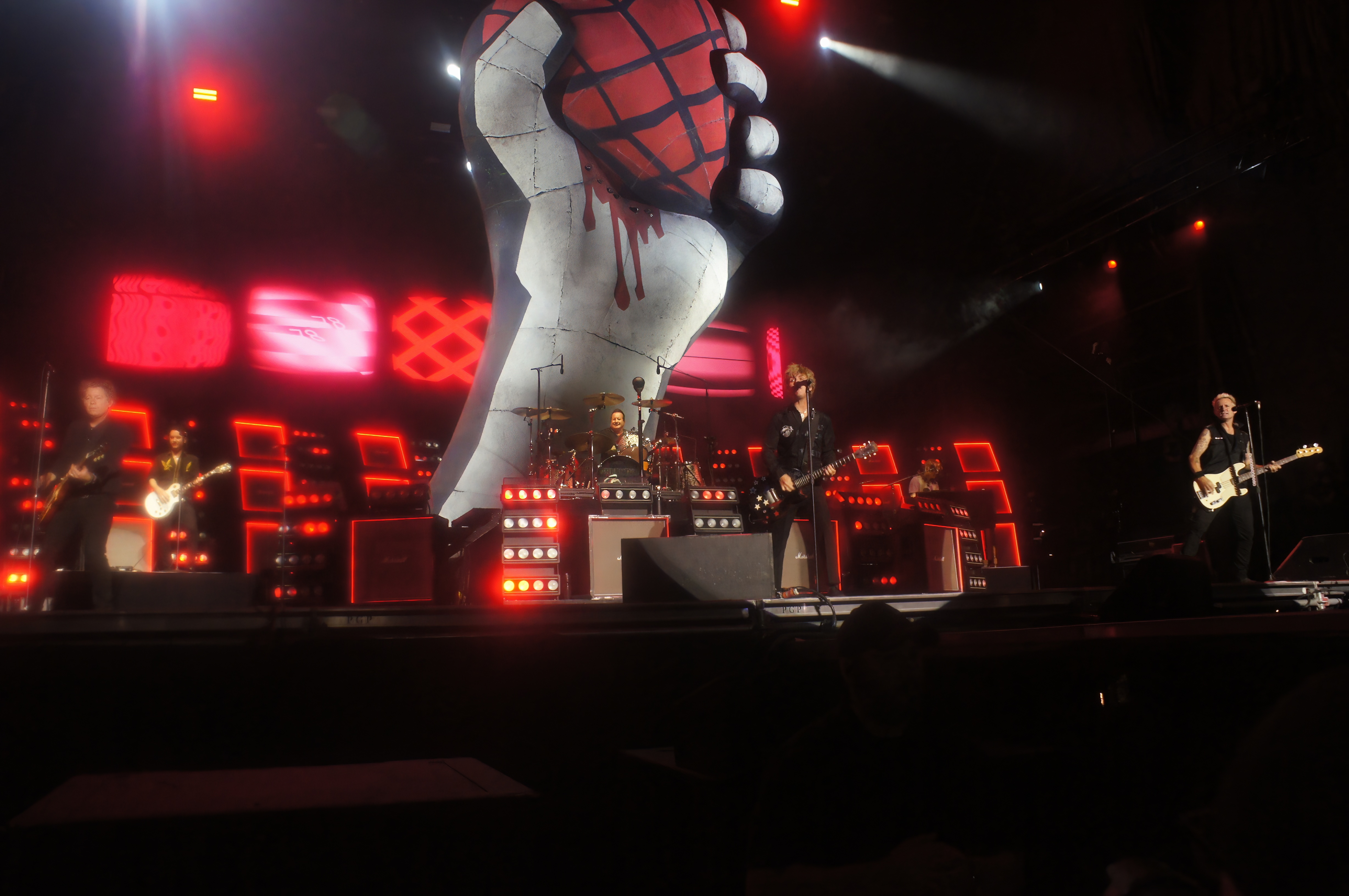
by Dave Parsons
The salty Atlantic breeze carried more than just the scent of sea foam and boardwalk fries on Friday night, September 26, 2025, as the Oceans Calling Festival kicked off its third annual celebration of rock, pop, and alternative music against the backdrop of Ocean City, Maryland’s coastline.
Ocean City, Maryland, has hosted families for a century, and with the birth of the Oceans Calling Festival, the town extended its tourist season. Born from the vision of Maryland’s own O.A.R. and boosted by the muscle of C3 Presents, Oceans Calling has grown into one of the East Coast’s defining festivals.
What makes Oceans Calling unique is not just its lineup but its origin story. O.A.R. had long harbored the idea of staging a festival in their home state, one that would fuse music with the area they grew up around. In 2022, the dream nearly died before it began, as the first year was wiped out by a hurricane. That false start could have sunk a lesser project, but in 2023, the festival returned. Those early years taught both organizers and fans the lesson that nature will always have the last word on the shoreline, but community can match it note for note.
By 2024, the event grew as did the town itself, learning to handle the influx of tens of thousands of visitors, rerouting traffic, bolstering police, and welcoming the economic lifeblood that a late-September festival can bring to a beach community. Now in 2025, the festival is no longer an experiment, but an institution in the making. There’s a special kind of magic to a beach festival. It creates an atmosphere that you cannot replicate at fairground venues.
There’s something magical about watching legendary performers, with the ocean to one side and the Boardwalk’s vintage charm on the other. The sound quality is surprisingly great for a beach venue, with changing ocean breezes constantly changing. Friday’s lineup read like a greatest hits compilation of four decades of popular music, all meshing together, allowing artists who might never share a stage elsewhere to come together for an unforgettable weekend.
Izzy Escobar opened the main stage on Friday afternoon, to a surprisingly good number of folk for that early in the day. She blended several different styles together, to a nice reception from the crowd, many of whom were hearing her music for the first time. They seemed genuinely engaged by her songs, and it set the tone for the rest of the day to follow.
BEL was the second act of the day, and the young artist’s approach to live performance was both laid back and professional from the get-go. These early time slots are tough on a young artist wanting to rock a beachfront crowd, but the reality of a 1:00 Friday afternoon time slot is to do more lyrical and dynamic offerings to a crowd who is listening while sunscreen is still being rubbed onto shoulders, and iced coffees abound instead of beers. BEL planted roots with some folks who were now proclaiming a new discovery, and by the end of their set BEL left with more than polite applause.
Next up on the other end of the venue, Letters to Cleo took the stage and instantly transported the crowd back to the 1990s. Kay Hanley’s voice is still capable of the sweet-and-sour combination that made Letters to Cleo successful in the mid-1990s, cutting through the afternoon air with surprising power. Letters to Cleo has always been a band that crowds loved, and the band’s performance here, after years apart, suggests that their best days may not be behind them after all.
One of Oceans Calling’s most distinctive features is its celebrity chef cooking demonstrations. Chef Antonia Lofaso was Friday’s guest. Held as the first act of the day on the alternate Carousel Stage, these demonstrations add an intimate atmosphere where celebrity chefs could interact directly with the audience as they banter back and forth with the host and other invited guests. Quite often, members of bands performing later in the day show up to the demonstration.
This scheduling of cooking demos during the early afternoon hours provides festivalgoers with programming during the long afternoon hours, between opening acts and prime-time headliners, and directs the focus on local seafood and regional ingredients, which reinforces the festival’s identity. It is a great sight to see hundreds of music fans gathered around a cooking stage, with the afternoon sun overhead, and having the same enthusiasm they bring to the shows.
The arrival of the Spin Doctors next turned up the heat of the afternoon schedule, still able to hold a crowd in their palm decades down the road. They played what people wanted to hear, and the sand turned into a dance floor. Their set helped folks forget their troubles and move their bodies, and be happy they were here to witness a seasoned band in this setting.
The beach setting also provided a great backdrop for Fountains of Wayne’s set next, and the inevitable wait to hear Stacy’s Mom, still an iconic hit decades after its release. The band’s sudden reemergence into the concert mix was a welcome addition to this crowd, even if Stacey would be in her 40s now and, of course, her mom in her 60’s. Some songs are timeless and make you travel back to a place and time you like to visit from time to time.
A directly opposite approach came about 200 yards down the beach as +LIVE+ stormed the stage, played like men possessed. They stretched songs into hypnotic jams that showcased how much they like to play together, and like only great rock bands can do. Live has always been a band that thrives on the connection with the audience, and the relationship developed over their hour-long set. When their closing song became an impromptu sing-along, it seemed to include every person in earshot, as it could be heard on the other end of the beach.
That other end of the beach was about to present one of the day’s most unexpected but thoroughly delightful choices. Nelly brought his swagger and proved again that great hip-hop can thrive anywhere. He rolled through hit after hit with the confidence of a man who knows his place, with a voice as smooth and commanding as when he first came on the scene over two decades ago. The mix of the crowd’s ages during Nelly’s set told the story of Oceans Calling’s appeal. There were twenty-somethings discovering these songs for the first time, partying alongside their parents who remembered buying his first CD.
The centerpiece of the evening belonged to O.A.R., the hometown heroes. This was their festival, their dream planted here. They didn’t perform like they were guests. It was like these thousands of people were invited to their backyard, and every song was on repeat on their playlists year-round.
O.A.R. plays a set every day at the festival, with the initial set being just them. They will invite members of other bands on that day’s lineup to join them for some covers, but this night belonged to them and their fans. O.A.R. has always been a band that understands the communal aspect of live music, and in the beach setting, their ability to make massive crowds feel like intimate gatherings reached its full potential.
The vibe of the music changed as The Black Crowes brought their blues-soaked Southern rock to the shore, and it made for a compelling musical set. The beach suddenly felt like a Southern roadhouse. The Black Crowes have always been a band best experienced live, where their talents can fully unfold, and the setting seemed to give them even more room to stretch out and explore their jam side.
Green Day stormed the festival like a hurricane. The audience was primed by a day of first-class entertainment, brought to a climax as Billie Joe Armstrong opened with American Idiot, and they were off and running. Pyro added the punch to the songs the audience knew by heart, and the scene turned the sand into a punk-rock revival. By the end, the crowd wasn’t just applauding, they were roaring, affirming, baptized in sweat and salt.
The festival’s integration with Ocean City’s famous Boardwalk creates a seamless blend of music festival and beach vacation, with attendees able to move easily between the main festival site and the resort town’s restaurants, bars, and attractions, while providing one of the East Coast’s most distinctive festival experiences.
The combination of legendary performers, rising stars, and one incredible natural venue, people spilled onto the boardwalk with sand on their ankles and grins across their faces. Day One had not just been a success, but a foundation for the days to follow. Ocean City for this weekend was more than a beach town. It was the center of the rock universe, on the east coast, and there were two more days to go.
As with any sprawling festival, it is impossible to catch every moment through the lens. While I was able to witness and document the major arcs of Day One, not every band is featured in extended commentary here. Ballyhoo!, The 502s, The Fray, Lenny Kravitz, and CAKE performed overlapping sets that could not be fully covered, or they declined to be photographed. Oceans Calling is a celebration to be seen in person, and even if they all don’t make it to this page, they matter to the whole experience.
Related
Editorials
The Rodeo Queen’s Nashville Dream: KC Johns and the Grit Behind the Glitter
Published
2 months agoon
September 17, 2025By
Dave Parsons
by Dave Parsons
The promoter walking with me on the way to do an interview with Nashville artist KC Johns was pulled away for a moment. As I stood in the spot where the promoter got pulled away, KC emerged from a camper, walking with a confidence that bore all the sweetness, sweat, and hope. KC Johns, with her guitars, her stories, and that voice, one part Memphis grit, one part roadmap across honky-tonk highways, didn’t wait for the formal introduction. We shook hands, found two folding chairs that weren’t doing anything, and had a seat behind the makeshift trailer/stage at the Monongalia County Fair in Morgantown, West Virginia.
She had just come from the other end of the Fairgrounds, where she sang the National Anthem for the fair’s rodeo. For an artist used to performing in some of the most famous Nashville honky-tonks, this might be a setting out of time, but for KC Johns, the middle of a West Virginia field, with dirt under her boots, feels like coming home.
I haven’t been on a horse in over 12 years, she confesses during our conversation, But being back here in the dirt, the smell of it—it’s like a full-circle moment for me. I call this home.
It’s a sentiment that echoes through every note of her breakout viral hit Rodeo Queen, an upbeat rocker awash with country steel and roaring guitars that opens with the declaration: Mama didn’t raise no big city pretty girl. The song isn’t just a catchy anthem, but an autobiography set to music, a raw and honest tribute to the world that shaped her into the artist she is today.
Every great country music story begins somewhere humble, and KC Johns’ tale starts on a front porch in Mississippi with a grandfather who never pursued music professionally but understood its power. The whole reason I got into music was because of my granddad, Johns says, her voice softening with memory. He taught me how to play, gave me my first guitar. He loved good old country music, which made my love for country music. He basically brought me into this music life.
Born in Memphis and raised in Mississippi, those lazy afternoons picking on the front porch with her grandfather weren’t just music lessons, but classes in storytelling, in finding the universal truths hidden in personal experience. He and I would just pick on the front porch, and I always told him he had the best seat in the house. That was like his seat, right there in that rocking chair. Then he’d bring out his lawn chair to all my shows, and he’d always have the best seat in the house at shows.
When her grandfather passed away two years ago, Johns could have let grief silence her music. Instead, she channeled it into Best Seat in the House, a tribute that reads straight from her heart. Even though he’s not physically present anymore, she says, he’s still there—he’s got the best seat in the house.
When she finally stepped off those ships, she found her way to Dollywood, the Smoky Mountain mecca where young dreamers learn what it means to be part of a show bigger than themselves. For KC, it was another rung, another rehearsal for the real thing. She did the work. She showed up. She sang. She smiled. She tucked away every lesson Dolly Parton’s kingdom offered about showmanship, heart, and making a song feel like a story being told just for you. She even landed a blink-and-you’ll-miss-it cameo in a film, proof that she was willing to try anything if it kept her close to music and the stage.
Most aspiring country stars don’t spend six years as a cruise ship vocalist, but then again, most aspiring country stars aren’t KC Johns. At age 20, when most young artists are still scribbling in journals and singing into hairbrushes, she took a job offer that would shape her in ways no record label internship ever could.
I feel like the real courage came from when I got a job offer on cruise ships when I was like 20. That was like a huge leap for me. And my family was like, you’ve got to do it. You’ve got to do it. I feel like you would love it. You’re going to learn a lot. So, I took the leap.
As a rock band vocalist alongside a male singer, Johns performed everything from disco to ’80s hits, country to rock and roll. You kind of become a family on that ship as well, because you’re with them for nine months at a time, every single day. It was an intensive crash course in performance, professionalism, and the kind of stamina required to entertain an audience night after night. These skills would prove invaluable when she eventually made her way to Nashville’s demanding music scene.
It was supposed to be six months, and it turned into six years. I loved it. They were great to me. I worked for Norwegian Cruise Lines. They were awesome.
It was work, but it was also practice for her soul. She learned to hold a mic so that people halfway around the world feel your heart. She learned that an audience wants sincerity even more than perfection.
After that ship docked for good, she found her way to Dollywood, the Smoky Mountain mecca where young dreamers learn what it means to be part of a show bigger than themselves. For KC, it was another rung, another rehearsal for the real thing. She did the work, and she showed up. She sang and smiled. She tucked away every lesson Dolly Parton’s kingdom offered about showmanship, heart, and making a song feel like a story being told just for you.
At the same time, the pull to write her own songs and tell her own stories was strong. In 2017, she made the leap, and moved to Nashville with nothing but an acoustic guitar, a dream, and more faith than comfort. I was like, you know what? I’m just going to sleep on people’s couches and just go. I’m just going to do it.
It wasn’t her first leap of faith—that had been the cruise ship job that launched her adult life—but it was perhaps her most defining one. I feel like my family really gave me the courage to take that leap. The decision to pack up her life and move to Nashville, living on couches and scraping together gigs, was both terrifying and exhilarating.
The first gigs were on Broadway, the strip where country dreams go to be tested under neon and beer signs. She sang because she had to, because every night was a new test of her voice, her spirit, her belief that she belonged. The moment she knew she’d made the right choice came not with a record deal or a hit song, but with something far more valuable……community. I think, honestly, my drummer and I have been playing together for like eight years. He was the very first drummer I played with on Broadway. I met his wife, Lisa, who is my best friend to this day. She made me feel so much a part of the Nashville community that that was my ‘I belong here’ moment. I was like, I know that I’m going to make and build a community here.
She didn’t come to Nashville to be smooth. She came to be real.
That’s not the sort of line you write into a song because it sounds pretty. That’s the kind of confession you hear in the back corners of life, the ones you tuck into notebooks, the ones that later become choruses that lift strangers out of their own darkness.
Nashville can chew you up and spit you out before your first song even finds a chord. It’s a city built on broken dreams, neon smiles, and the constant shuffling of new arrivals dragging their guitars down Lower Broadway. KC Johns knew all that, but she came anyway. She didn’t come for the polish or the pageantry. She came for the pulse. She came because something in her bones said she had to.
There’s something in the way KC Johns talks about music that feels like sitting on a front porch swing at dusk. The day’s been hard, but you also know it was worth it. She doesn’t sugarcoat. She admits the industry can knock you down. But she keeps coming back to that rodeo image, because it’s the metaphor that raised her. The music and the show will continuously knock you down, but if you continuously get back up… that’s the whole point.
And yet, she’s not all grit. There’s sweetness in her, too. It’s the kind of sweetness you can’t fake. It’s in the way she tells you about fans who surprise her by showing up hours from home, wearing her t-shirts in some strange town.
I just ran into some friends out there that had my t-shirt on….And I was like, what are y’all doing here? They’re from 5 hours away in Pennsylvania. And they came all the way out here.
That’s the kind of thing that makes her eyes sparkle. Not chart positions, not industry buzz, but the human connection of people showing up because the songs meant something to them.
That connection is why she doesn’t try to put on airs. She doesn’t manufacture some sleek image of a country star. On social media, she just is who she is.
Just be yourself on social media and, hopefully, people will connect with you. I’ve done that my entire life, and just throw what you can on social media and hopefully people relate to what you’re doing and just have fun with you.
When Johns released Rodeo Queen in April 2024, she had no idea she was about to capture lightning in a bottle. The song, a deeply personal tribute to her parents and her rodeo heritage, struck a chord that resonated far beyond Nashville’s city limits. The track draws directly from Johns’ family history. Her mom was a world-champion barrel racer, and her stepdad was a bull rider. But what started as a personal story quickly became something universal, connecting with listeners who recognized their own small-town roots and family pride in Johns’ honest lyrics.
The numbers tell their own story as the song climbed to number 28 on the Texas charts, garnered over a million streams on Spotify, and accumulated over 70,000 video uses on TikTok.
That’s like the craziest thing to me. To just watch that do its thing is actually really, really cool.
In an industry obsessed with algorithms and aesthetics, she bets on authenticity. And it works because it’s not a strategy, but an instinct. KC Johns’ Nashville story isn’t a fairytale. It’s a patchwork quilt made from Memphis blues bars, cruise ship spotlights, Dollywood stages, Broadway dives, and borrowed couches. It’s a story of stubbornness disguised as faith. It’s the kind of story that makes sense only when you hear her sing, when her voice carries the weight of every leap she’s ever taken.
I grew up listening to a lot of Sheryl Crow. Sheryl Crow was my favorite. I love what she does with rock and roll meets country. That record, all of her writing is so impeccable to me. I absolutely love her.
Success hasn’t softened Johns’ edges or diminished her appreciation for the grittier side of the music business. When asked about the challenge of maintaining authenticity in a town known for manufacturing stars, Johns is characteristically direct….
Be yourself. It’s like, totally be yourself. I feel like we all struggle with that, especially in Nashville, where you continue to try to find who you are as an artist. And I think if you’re just yourself, and you write about what’s true, I think that’s the most important thing.
KC still dreams like the girl who packed her courage and a guitar onto a cruise ship at twenty. I asked her, if the next year unfolded perfectly, what headline she would love to see written about her. She laughed at herself for even imagining, then confessed:
Wouldn’t it be the hit to have a monster hit? That would be the coolest thing ever. Yeah. That’s the dream.
Not fame for fame’s sake. Not glitter for the sake of the lights. A monster hit because it would mean her stories, her people, her losses and loves had traveled farther than she could drive in a van. That strangers she’d never met were singing her life in their kitchens, in their trucks, at their weddings and funerals.
With soundcheck and showtime approaching quickly, I asked Johns what she wanted people to take home at the end of the night. When the lights are dim, the crowd has scattered, and the amps are cooling in their cases, what truth does she want following her fans back to the parking lot? She didn’t pause:
I hope everybody just comes to a show and has a good time. Just leaving and having a good, great time. And just like, know that there’s still good in this world. … I hope people go away thinking that they know us. And we know them. And I just hope people just go away and just take us for friends. See at the next show.
That’s KC Johns’ showmanship in a nutshell. It’s part grit, part tenderness, part rodeo queen, part barroom rocker. She’s as comfortable barefoot in dirt as she is under a spotlight, and maybe that’s why people trust her. Maybe that’s why fans who didn’t know her name at 9:30 on this evening leave the show at 11 feeling like they’ve known her forever. She doesn’t demand attention, but she earns it. She doesn’t talk down to the crowd, but pulls them in, arms around shoulders, as if every last one of them belongs in her band.
It’s that trust that makes the rest of her story believable. KC Johns doesn’t just want to be heard. She wants to be known. And by the time you leave her show, you will know who she is.
KC Johns Set List – September 12, 2025 – Monongalia Country Fair, Morgantown, WV
Smoke Show
Bad Perfume
Maybe it was Memphis
Kind of Vibe
Wrong Side of Goodbye
The Chain
Dodging Bullets
You Shook Me All Night Long
Whiskey Break
Pour Me
Wild as Wyoming
Best Seat in the House
Confused
Break From the Heart
Black Dog
Rodeo Queen
Related
Entertainment
The Day that Mama Came Home: Vicki Lawrence in Greensburg, PA
Published
2 months agoon
September 15, 2025By
Dave Parsons
by Dave Parsons
There’s something magical about watching a performer who has spent five decades perfecting their craft step onto a stage with nothing but a microphone, a few costume changes, and the accumulated wisdom of a lifetime in the entertainment industry. On a muggy Sunday afternoon in Greensburg, Pennsylvania, Vicki Lawrence reminded a packed Palace Theater why some performers transcend their era while others fade away.
Scheduled for 3 PM on Sunday, September 14, 2025, and directly competing with the Steelers’ home opener 40 miles away and on every TV in the area at the same time, Vicki Lawrence and Mama: A Two-Woman Show delivered exactly what it promised, and what brought a theater full of people out despite the competition.
The Palace Theater, with its restored 1926 beauty and intimate seating capacity, provides the perfect setting for this kind of show. Built during vaudeville’s golden age, the venue has hosted everyone from Bob Hope to Jerry Seinfeld, and surprisingly, there are a number of younger faces scattered throughout. A true testament to the lasting power of an entertainer and character ingrained in America’s hearts for decades.
While waiting for the lights to dim, a lady in her 60s, sitting next to her daughter in her 40s, plays with her purse straps in anticipation. She explains to her daughter, obviously for the 10th time, that she’s been watching Lawrence since she was a teenager. She explains that Saturday evenings were reserved for The Carol Burnett Show when her father and she were first married. Her daughter nods politely, clearly here more out of duty than enthusiasm, but her expression suggests she’s willing to be convinced.
The house lights dim at precisely 3 PM, and Lawrence emerges to thunderous applause, with her red hair perfectly styled. At 76, she moves with the confidence of someone who has stood on stages for more than half a century, but there also seems to be an awareness that each performance is now precious.
Lawrence begins not with Mama, but with herself, and immediately the show takes on an intimate quality, as if she’s pouring coffee for old friends. Speaking directly to the audience as if we’re guests in her living room, she traces her path to comedy icon. The story has been told before. She wrote a fan letter to Carol Burnett at 18, and Burnett’s show hired her as a regular.
Lawrence explains that working with Burnett and the other legendary names in comedy and television on that show was like going to comedy graduate school every day. Lawrence shared behind-the-scenes stories that feel fresh even to longtime fans. She describes the careful choreography required for the show’s elaborate musical numbers, the weekly panic when sketches weren’t working, and the strange experience of performing live comedy for a studio audience while millions more watched from home.
Lawrence adds the little, human stitches, like how Tim Conway’s eyes would sparkle when a sketch went off the rails, how Harvey Korman’s laugh arrived a full beat after his body surrendered, and how Carol could steer a skit back to shore no matter the waters.
Somewhere between when she was on Carol Burnett and with her first husband, Vicki Lawrence addressed her unlikely career as a recording artist. At the height of her TV fame, her then-husband Bobby Russell let her sing on the demo for a song that nobody thought would be a hit. She didn’t even have an album. Producers were leaning toward Liza Minnelli or Cher to record it, yet in the end it was Lawrence who recorded The Night the Lights Went Out in Georgia, and watched it climb to Number One, knocking Elton John and Carly Simon out of the way.
When she performed the song, it was interesting to watch the older folks in the crowd being transfixed as if they were back in 1972, with their 45 RPM version of the song. In contrast, there is the somewhat confused look on the faces of the younger demographic who have always associated Reba McEntire with the song. They had no idea that Reba’s hit was actually a cover of a hit record.
It was after the song that Lawrence delved into how the Mama character came to be. It was supposed to be for only a few comic skits in a few episodes, and Burnett herself was supposed to be mama. The ensuing 7-year run of Mama’s Family, from 1983 to 1990, was a complete surprise and took Lawrence from a supporting character to a leading woman.
And then, Lawrence said she was going to go look for the old broad, and the first half came to an end.
The second half began without fanfare, but just Mama wandering onto center stage. The metamorphosis is almost a sacrament. We’re watching a woman of 76-ish slip through the looking glass into an older woman of 80-something with a sharper tongue and better shoes. The wigs, pearls, and pocketbook become props. Mama marches out, hips telegraphing disapproval, and Greensburg braces like it’s seen a relative at the Kroger it thought had died ten years back.
After surveying the crowd with characteristic disdain, she says, Look what the cat dragged in, and the look, the voice, and the physical transformation are truly remarkable. This is master-level character work, the kind of performance that reminds you why some actors become legends while others remain mere celebrities.
Mama proceeds to roast the Palace Theater, the city of Greensburg, and the audience itself. But, there is genuine affection underlying the insults, a sense that Mama is hazing the audience because they decided she was worth their time and attendance. The crowd eats it up. This isn’t just nostalgia—it’s a reminder of why Mama became a cultural phenomenon in the first place.
For the next 40 minutes, Lawrence, as Mama, delivers what amounts to a philosophical meditation on aging, family, and survival. It’s presented as classic Mama, full of sharp observations and quotable one-liners, but underneath the comedy lies genuine wisdom about navigating life’s challenges.
A montage of clips from the show is played as Lawrence slips off stage. She returns for an encore as herself, reflecting on the evening’s journey and her career’s path. She chooses the standard, For All We Know, to leave with the Greensburg crowd, as stills from her Carol Burnett show colleagues are displayed on the screen. The audience responds to each still photo with admiration and respect.
As the curtain falls and the audience files out into the warm September late afternoon, you can feel the energy that comes from witnessing something special. And THAT Mama, she exits clutching her daughter’s arm, clearly emotional about having seen her television idol in person. Her daughter seems to just be glad she was a part of it all.
Vicki Lawrence and Mama: A Two-Woman Show succeeds because it operates on multiple levels at the same time. For longtime fans, it’s a celebration of beloved characters and cherished memories. For newer audiences, it’s an introduction to the old school craft of character creation.
Most importantly, it’s a reminder that great comedy transcends its original context. Mama Harper, created for 1970s television, remains relevant not because she represents eternal truths about Southern womanhood or family dynamics, but because Lawrence invested her with genuine humanity. The character’s longevity stems not from her ability to confirm stereotypes, but from her capacity to surprise audiences with unexpected depth.
Lawrence herself has evolved similarly. At 76, she’s neither trying to recapture her youth nor apologizing for her age. Instead, she’s using her accumulated experience and hard-won fans to produce performances that bring television to life before your eyes. Out on the street in front of the theater, folks make their way to their cars, and in a quiet dressing room that smells like roses and hairspray, a woman takes off a gray wig and places it on a stand like a crown. Another day of honest work done. Another house was made into a living room. And another night, the lights went out and somehow, in the laughter, came back on.
Related
Entertainment
Steel Rails and Mountain Trails: Railroad Earth Steams Into Pittsburgh with Yonder Mountain, and Daniel Donato
Published
2 months agoon
September 9, 2025By
Dave Parsons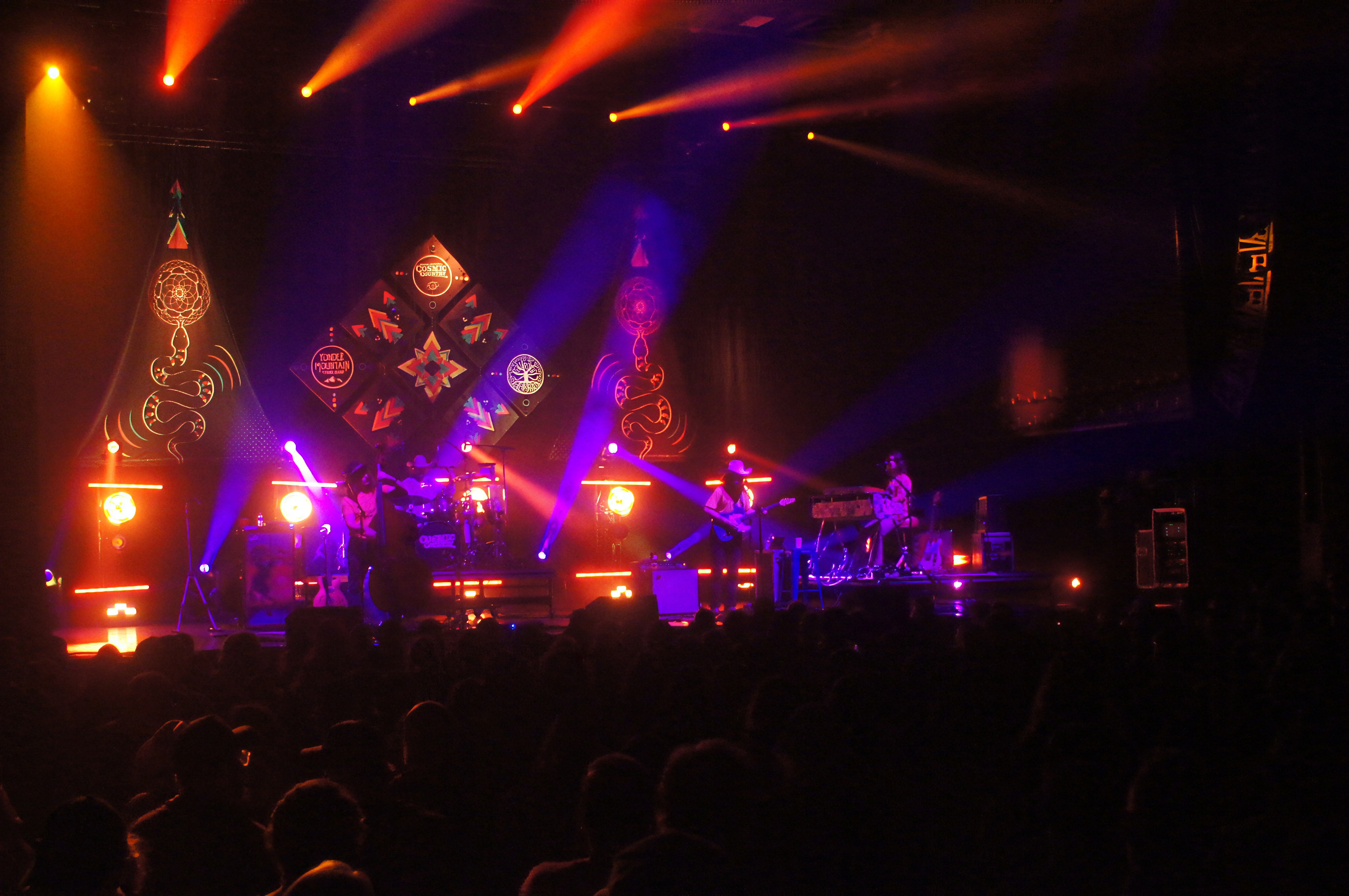
by Dave Parsons
The late summer evening gave way as concertgoers filtered into Stage AE’s intimate indoor concert hall, leaving behind Pittsburgh’s gleaming, muggy skyline for the warm embrace of a perfectly climate-controlled venue. Stage AE is purpose-built for nights like this, an indoor hall conjoined to an outdoor lawn by a reversible stage and a sound system tuned for clarity more than brute force, part club, part amphitheater, all intent on sightlines and sound that land true.
Opened in 2010 on the North Shore, cradled between PNC Park and Acrisure Stadium, and on the original land occupied by Three Rivers Stadium, it is as tough and gritty as the teams that anchor it on either end. The steel-town folks decided salvation on this Sunday would be found on downbeats and footfalls. You could pick out the die-hard fans by their well-worn T-shirts, and enthusiasm for what was about to take place. A dad on the rail with his wide-eyed daughter explained that what she was about to hear wasn’t country or bluegrass but a family argument between cousins who all brought instruments.
As the evening’s opening act, Daniel Donato’s Cosmic Country delivered a spectacle on how to expand minds and prime souls for the journey ahead. Donato, the 28-year-old Nashville guitar slinger who’s been turning heads in Music City’s most discerning circles, emerged with his band like a cosmic cowboy.
His approach to country music, if we can still call it that after he’s run it through his kaleidoscopic filter, is both reverent and revolutionary. He takes the bones of traditional country songwriting and flesh them out with improvisational muscle. The crowd, initially polite but reserved, began to loosen as Donato and crew played extended jams. Here was where the magic happened: a traditional country shuffle morphs into a space-rock odyssey, complete with effects-laden guitar work that painted sonic landscapes across the venue’s high ceilings. The rhythm section was as tight as a Mason jar and twice as dependable, providing the pull that kept Donato’s flights together.
Donato himself, in a flannel shirt, with vocals just as warm and cozy, carried just enough Nashville twang to honor tradition while his guitar work pushed boundaries with confidence. Between songs, his easy banter revealed a musician comfortable in his own skin and genuinely excited to be sharing the stage with tonight’s headliners.
As the opening set climaxed, Donato and crew left the stage satisfied that the crowd was now primed and ready for what was to come.
Yonder Mountain String Band followed with the danceable authority of a group that helped drag progressive bluegrass, or jamgrass if you prefer, into the 21st century without losing the Saturday-night barn dust on its boots. Their discography sprawls across a dozen studio records and a fistful of live releases, and recent years brought the Grammy-nominated Get Yourself Outside, a record that merged everything together.
Yonder’s set was a reminder of how improvisation can be a form of hospitality. They lay out a groove like a well-set table, then pass dishes until everyone’s had a helping. The mandolin takes a slice, which gets re-plated as a banjo answer. A fiddle run spills into the guitar, followed by a bass walk that the whole room hears and follows.
A cluster of twenty-somethings near the rail tried to waltz, then surrendered to a pogo that fit better, while a silver-haired couple kept time with the polite minimalism of people who once closed down college gyms to New Grass Revival. One security guard down front, head bobbed while never breaking posture or his eyes on the crowd. It’s this public-square feeling that Yonder has always been good at: the old-time string band as a platform for whatever your feet need to do.
What separates Yonder Mountain from the pack isn’t just their obvious talents, but knowing when to go full throttle and when to pull back, creating a musical conversation that draws the listener in rather than overwhelming them. During Pretty Daughter, the band demonstrated this perfectly, starting with just Kaufmann’s bass and Johnston’s banjo before gradually building to a climax that had the entire concert hall on its feet.
The crowd’s energy reached a peak during Troubled Mind, a number that found audience members dancing wherever space allowed, allowing their inhibitions to be led by the music. As Yonder Mountain’s 75-minute set drew to a close, the audience delved deep into the music in witness to the chemistry between the four musicians. This is a band that has maintained its passion and creativity across two decades, refusing to rest on its considerable laurels.
Night had fully taken the river outside the doors by the time Railroad Earth took the stage. The North Shore lights did their postcard thing, reflected in the slow water. Pittsburgh doesn’t blare its skyline so much as glow it, and that glow leaks into music on nights like this. There were a few dozen people outside on the sidewalk listening to the show. Inside, the room that can scald for rock shows instead felt tuned for lyric, the mix putting voices dead center while giving each instrument its own lane.
By the time Railroad Earth took the stage, the crowd had been properly prepared for lift-off, emerging with that particular grace they’ve cultivated over two decades. If you came looking for a fixed setlist, you were missing the point and gaining something better. This tour supports their latest album, All for the Song, but the setlist pulls from every aspect of their career.
And, make no mistake, either, as this is very much a band in the truest sense, with each member contributing essential elements to the whole. They did a few standoffs, band members facing each other, and challenging each other to one-up their efforts. The crowd, now numbering close to the venue’s capacity, settled into that particular zone that marks the best jamband experiences: completely present, entirely engaged, riding the musical waves wherever they might lead.
Midway through their set, Railroad Earth acknowledged their tour companions with a heartfelt tribute, praising both Daniel Donato and Yonder Mountain for their contributions to keeping American roots music vital and growing. Members of both Daniel Donato’s Cosmic Country and Yonder Mountain String Band joined Railroad Earth on stage for an impromptu super-session. What could have been a chaotic mess instead became a class in musical communication, with eleven musicians finding their individual voices within the collective whole.
The crowd’s reaction to this musical summit meeting was pure joy. Strangers embraced, phones were forgotten in favor of lived experience, and for twenty minutes, the venue became a temple of American music. This is what the jamband scene at its best has always been about: the breaking down of barriers between performer and audience, the creation of community through shared musical experience.
The audience’s enthusiastic response to all three acts suggested a hunger for this type of music that extends far beyond the traditional jamband demographic. Young faces in the crowd seemed particularly engaged, suggesting that these sounds are finding new ears and new hearts with each passing year. The fact that this tour has been so successful suggests that there’s a real hunger for authentic musical experiences in our increasingly digital world. People want to gather, want to experience music as a communal activity, want to be part of something larger than themselves.
As the lights came up and the crowd began its reluctant exodus from Stage AE, the feeling wasn’t one of ending but of beginning. This evening had been a reminder of what American music at its best can accomplish: the creation of community, the celebration of individual artistry, and that traditional forms can continue to evolve without losing their essential character.
Daniel Donato Cosmic Country Photo Album
Related
Entertainment
Country Gold by the River: Maddie & Tae and The Hobbs Sisters Close Out Morgantown’s Summer Series.
Published
3 months agoon
September 1, 2025By
Dave Parsons
by Dave Parsons
The Monongahela River rolled lazily past the Ruby Amphitheatre on a humid Friday evening as the final notes of summer 2025 prepared to fade into memory. But if this was indeed the sunset of another concert season in Morgantown, then Maddie & Tae, and rising stars The Hobbs Sisters, made sure it blazed orange and gold across the West Virginia sky.
What started as the Hazel Ruby McQuain Charitable Trust’s modest gesture of free Friday night concerts has evolved into something much larger for this college town. And on this particular evening, with the semester just beginning and thousands of WVU students mingling with longtime locals, the Ruby Summer Concert Series delivered its most potent dose of authentic country storytelling yet.
The evening belonged first to The Hobbs Sisters, Nashville transplants who’ve spent the better part of a decade perfecting their brand of harmony-driven country. Twin sisters Hannah and Lauren Hobbs, Pittsburgh natives who began singing in church from a young age, have built their reputation as a fiery duo. That reputation felt less like marketing hyperbole and more like understatement.
Opening with a full hour-long set that showcased both their musical prowess and stage presence, the Hobbs Sisters commanded the amphitheater with the confidence of headliners like Lady A and Russell Dickerson, who they have opened for in the past.
But tonight, they proved they’re ready to carry a show entirely on their own.
The sisters’ setlist showcased both their original material and their ability to breathe new life into country standards. Originals like Mistakes Like You and Think About You immediately established their chemistry before delivering a stunning version of Dolly Parton’s Jolene that had the crowd singing along from the first verse. Their performance of Love Breaks the Rules was another moment to get on cellphone video!
What struck observers most was the genuine chemistry between the twins. It’s not just musical, but the kind of lived-in familiarity that only comes from sharing a womb, a childhood, and now a career. When they traded verses on their newer material, finishing each other’s phrases both lyrically and melodically, it felt less like a performance and more like a conversation between sisters who just happened to be having it in front of 3,000 people.
Mid-set highlights included What If It Was and Summer on a Slow Burn, both showcasing their songwriting prowess, before they stripped things down for an acoustic portion featuring Fleetwood Mac’s Landslide and their own Girl You Met.
The energy surged back with Never Find Another, building into the evening’s most joyous moment came when they launched into Shania Twain’s Man! I Feel Like a Woman! The hour flew by, and judging from the line at their merch table, they gained many new fans with that opening set.
Maddie & Tae took the stage at 8:30, as the sun had descended behind the hills surrounding Morgantown, casting long shadows across the amphitheater. If the Hobbs Sisters were a spark, Maddie & Tae were the bonfire. The duo walked on with a kind of seasoned ease that comes only from a decade of surviving country radio, motherhood, marriage, and the stubborn unpredictability of the music business. Their bond—Maddie Font and Taylor Kerr—has been tested, and their catalog has grown deeper with each trial.
Maddie Font and Tae Kerr emerged to thunderous applause, immediately launching into Free Like, a song that felt perfectly suited to the open air, flowing river, and the kind of freedom that only comes when music connects artist to audience without pretense or barrier.
The duo’s 18-song setlist balanced their biggest hits with deeper album cuts that showcased their evolution as artists. Recent ACM Award nominees for Duo of the Year and CMT Music Award winners for Group/Duo Video of the Year, Maddie & Tae have spent the better part of a decade proving that authentic country music doesn’t have to choose between commercial success and artistic integrity.
Shut Up and Fish, their second song of the evening, got the crowd singing along immediately. I was apparent that the new generation of fans they have picked up is loud and loyal. Sad Girl Summer and Kissing Cowboys showcased their ability to paint landscapes with precision, while Girl in Alabama demonstrated why they’ve become such powerful voices for women in country music.
The acoustic portion of their set, featuring Fly and a stunning cover of Lee Ann Womack’s I Hope You Dance, stripped away all production and left only two voices, two guitars, and 3,000 people hanging on every word. Tae’s powerful voice showed remarkable restraint during these quieter moments, while Maddie’s natural storytelling ability turned each song into a three-minute movie.
Woman You Got, the song that earned them their CMT Music Award, arrived midway through the set like a mission statement. Here was country music that celebrated rather than objectified, that found strength in vulnerability, that proved radio-ready didn’t have to mean substance-free. The crowd’s response, mainly from the young women down at the barrier, suggested the message was being received loud and clear.
While the hits certainly had their moments, it was the album tracks that provided the evening’s most revelatory moments. Chasing Babies & Raising Dreams offered a look at the different paths life can take, while Heart They Didn’t Break served as a defiant anthem about resilience. These weren’t songs written for radio programmers or streaming algorithms, but were written for people, by people who understand that country music’s greatest strength has always been its ability to find the universal in the specific.
The evening’s most surprising moment came during One Hit Wonders, a song that could have felt like self-deprecating humor but instead came across as confident self-awareness. Here were two artists at the peak of their powers, acknowledging the fickle nature of the music industry while simultaneously proving they’ve moved on past such concerns.
I can’t say enough about the venue and the quality of the sound and lighting. The Ruby Amphitheatre’s natural acoustics helped to allow every vocal nuance and instrumental detail to reach even the back rows clearly. The fact that this was a free concert, part of the Ruby Summer Concert Series presented by the City of Morgantown and the Hazel Ruby McQuain Charitable Trust, only added to its significance. In an era when concert ticket prices continue to skyrocket, events like this serve as crucial reminders that music’s power doesn’t diminish when financial barriers are removed. If anything, it increases in power and significance.
Setlist:
MADDIE & TAE Ruby Amphitheatre, Morgantown, WV August 29, 2025
- Free Like
- Shut Up and Fish
- Sad Girl Summer
- Kissing Cowboys
- Girl in Alabama
- Woman You Got
- Friends Don’t
- Chasing Babies & Raising Dreams
- Heart They Didn’t Break
- Fly (Acoustic)
- I Hope You Dance (Lee Ann Womack cover) (Acoustic)
- One Hit Wonders
- Your Side of Town
- Girl in a Country Song
- Fall in Love & Find Out
- Every Night, Every Morning
- Bathroom Floor
- Die From a Broken Heart
Related
Editorials
One of the Last Outlaws, Travis Tritt, Stirs the Soul at the Meadows
Published
3 months agoon
August 26, 2025By
Dave Parsons
by Dave Parsons
On a warm summer’s evening, thousands of Western Pennsylvania fans wrapped themselves in flannel, denim, and nostalgia at the Hollywood Casino at The Meadows in Washington, Pennsylvania, for the 2025 Summer Country Bash. After a warm dose of acoustic country, a storm of outlaw country fire and holy-roller soul took the stage, led by none other than Travis Tritt, one of the final outlaws still standing from country’s golden era.
Tritt’s tour stop at the outdoor racetrack stage wasn’t just a concert, but more of a reminder that real country never left, and ’90s country never goes out of style. Tritt and his band put on a masterclass, using 35 years of hits as the foundation. But before the legend took the stage, two openers gave the night roots and promise.
The night began not with flash but with familiarity. Ruff Creek, Pittsburgh’s own country-rock veterans, delivered their first set of the evening (they were playing another one after the show inside the racetrack/casino bar area), containing a stripped-down acoustic configuration of classic covers and a few originals. They were the perfect reminder that country music lives and breathes far from Nashville, as they have been doing it with various lineups for decades in Western Pennsylvania.
Next up was a pretty young lady named Willow Avalon. Dressed in well-pressed jeans, a tiger print top, and a cream-colored cowboy hat and boots, she displayed the quiet kind of confidence that comes from years of playing. Willow played eight songs that charted a winding path through relationships that would otherwise be more painful to discuss. Performing her original songs, with just her, a guitar, and a stool, she kept the audience entertained with stories behind titles like Something We Regret, Honey Ain’t No Sweeter, and Georgia Mile. Each song kind of felt like it was taken from diaries kept under lock and key, while her cover of Look at Miss Ohio echoed with the ache of modern womanhood while wearing yesterday’s mascara.
And then there was Yodeelayhewho, which is a playful, mountain-folk moment of vocal agility that caught the crowd off guard and won them over instantly. It’s rare to see a yodel amp up an audience’s energy, but that’s exactly what happened. Willow Avalon doesn’t chase radio trends, but just writes music from her own life. If she keeps writing songs like Tequila or Whiskey, she might become the kind of act that other artists cover a decade from now.
After a brief intermission following Avalon’s performance, the lights dimmed again. There were no fancy screens or introductions, just musicians laying into the opening notes of Put Some Drive in Your Country, and out walked one Georgia outlaw, in the kind of entrance that doesn’t need to be choreographed, because it’s already legendary. Looking every inch the country legend he’s become since signing to Warner Bros. Records in 1989, Travis Tritt was dressed in a black and white patterned shirt, blue jeans, and that distinctive beard now more silver than black.
The song felt like a statement of purpose that the audience was in for a night of memories and favorite songs. Never mind that some in the audience weren’t alive when these first few career-making hits were on the radio! Gonna Be Somebody followed, and it was obvious that no matter their age, this crowd had Tritt’s CDs on their playlists. His band, anchored by longtime players who clearly know these arrangements inside and out, provided the perfect foundation, so that Tritt could lead the crowd through every word.
The crowd caught its breath while Tritt issued his welcome, and all came back in together after the first line of Whiskey Ain’t Working was brought forth. With all of the millions of units sold over his career, it’s easy to see how these songs have become part of the DNA of country music. Even when he did a deep album cut, Where Corn Don’t Grow, the choir never stopped. This wasn’t pandering to the casual fans either. This was an artist trusting his audience to follow him down the path for the next 90+ minutes.
Smoke in a Bar was a bit of a surprise, as was an upbeat version of Uncloudy Day. Tritt’s interpretation of this traditional gospel song was both reverent and personal. While he was on those last two attributes, he discussed getting involved with US Veteran organizations. This association brought about the connection in the video for Anymore. The storyline was continued in 2 other songs to come, and made for a music video trilogy that is a mini movie when watched back-to-back.
Outlaws Like Us served as a bridge to the outlaw tradition, while a medley of Drift Off to Dream and Help Me Hold On showcased Tritt’s versatility and still powerful voice. Country Club brought the tempo and sing-along back up and was the perfect setup for Here’s a Quarter (Call Someone Who Cares).
It’s a Great Day to Be Alive served as an uplifting moment, while Modern Day Bonnie and Clyde and 10 Feet Tall and Bulletproof showcased Tritt’s storytelling ability. After paying homage to his roots and heroes, and an instrumental showcase while introducing his band individually, the band hit all channels into the finale T-R-O-U-B-L-E.
As the crowd headed for their cars, it was clear this was something special. Travis Tritt demonstrated that experience and authenticity still matter in an age of manufactured pop-country. At 62, he’s not trying to be something he’s not. He’s doubling down on what he does best, and the results speak for themselves.
The nods to heroes and mentors like Hank Williams, Jr., and Waylon Jennings tie Tritt to being one of the dying breed that were known as outlaws and made music that dared to break the mold, a cornerstone of country music. Other than Willie Nelson, Tritt is one of the last of that breed that still tours constantly, and does it with a maturity that today’s artists would do well to pay homage to by copying.
In an era when so much popular music feels hyped and influenced into submission, evenings like this remind us why country artists have careers spanning 4 decades and still present country music at its finest. It takes a guitar, a band, and a crowd hungry for something real.
And on August 23, 2025, that’s exactly what Travis Tritt delivered.
Willow Avalon Setlist:
- Something We Regret
- Work To Do
- Honey Ain’t No Sweeter
- Look At Miss Ohio
- Tequila or Whiskey
- Baby Blue
- Yodeelayhewho
- Georgia Mile
Travis Tritt Setlist:
- Put Some Drive in Your Country
- Gonna Be Somebody
- Whiskey Ain’t Working
- Where Corn Don’t Grow
- Smoke in a Bar
- Uncloudy Day
- Anymore
- Outlaws Like Us
- Drift Off to Dream/Help Me Hold On
- Country Club
- Here’s a Quarter
- Great Day to Be Alive
- Modern Day Bonnie and Clyde
- 10 Feet Tall and Bulletproof
- Whiskey Bent
- Ain’t Living Long Like This
- Jam
- Trouble
Ruff Creek Photos August 23, 2025
Related

iHeartRadio Jingle Ball 2025: A Holiday Powerhouse Returns with One of Its Most Star-Packed Lineups Yet

Slayer announce 40th Anniversary Reissue of “Hell Awaits” set for May 2026

Green Day releases 25th anniversary version of ‘Warning’ with new live versions and demos

Due to overwhelming demand Hayley Williams adds more dates to 2026 headlining tour

Big Gigantic to hit the road this fall

When the Music Stopped: A Night at Country Calling Festival That Changed Everything

The Stray Cats announce fall 2025 headlining tour

Pig Pen (featuring Matty Matheson) announce debut album, sign to Flatspot Records

Breaking : San Diego plane crash casualties appear to be music industry related
